
Muscular Dystrophy is one of those conditions that sits at the crossroads of genetics, family
health, and emotional reality. Across African communities, many parents and caregivers
encounter its signs without immediately recognizing them. Understanding what MD truly is
and what it is not can make a world of difference for early diagnosis and compassionate
support.
Muscular Dystrophy is essentially a genetic condition that affects the muscles, making
them weaker over time because they cannot produce the required proteins to keep them
strong. Think of muscles like a house; they need blocks (proteins) to stay firm. In MD, one or more of those “blocks” are missing or damaged. So over time, the “house” (the muscles) starts to break down.
Muscular Dystrophy(MD) Is
- Not a tribe-based condition
- Not a punishment for anything your mother ate during pregnancy.
- Not contagious: You can hug, high-five, gist, and even eat from the same bowl with someone who has MD.
- Not laziness: A child struggling to climb stairs is not “forming slow motion” or serving attitude.
- Not caused by lack of exercise: You cannot exercise your way out of a genetic condition.
Muscular Dystrophy(MD) Is
- A genetic muscle disorder
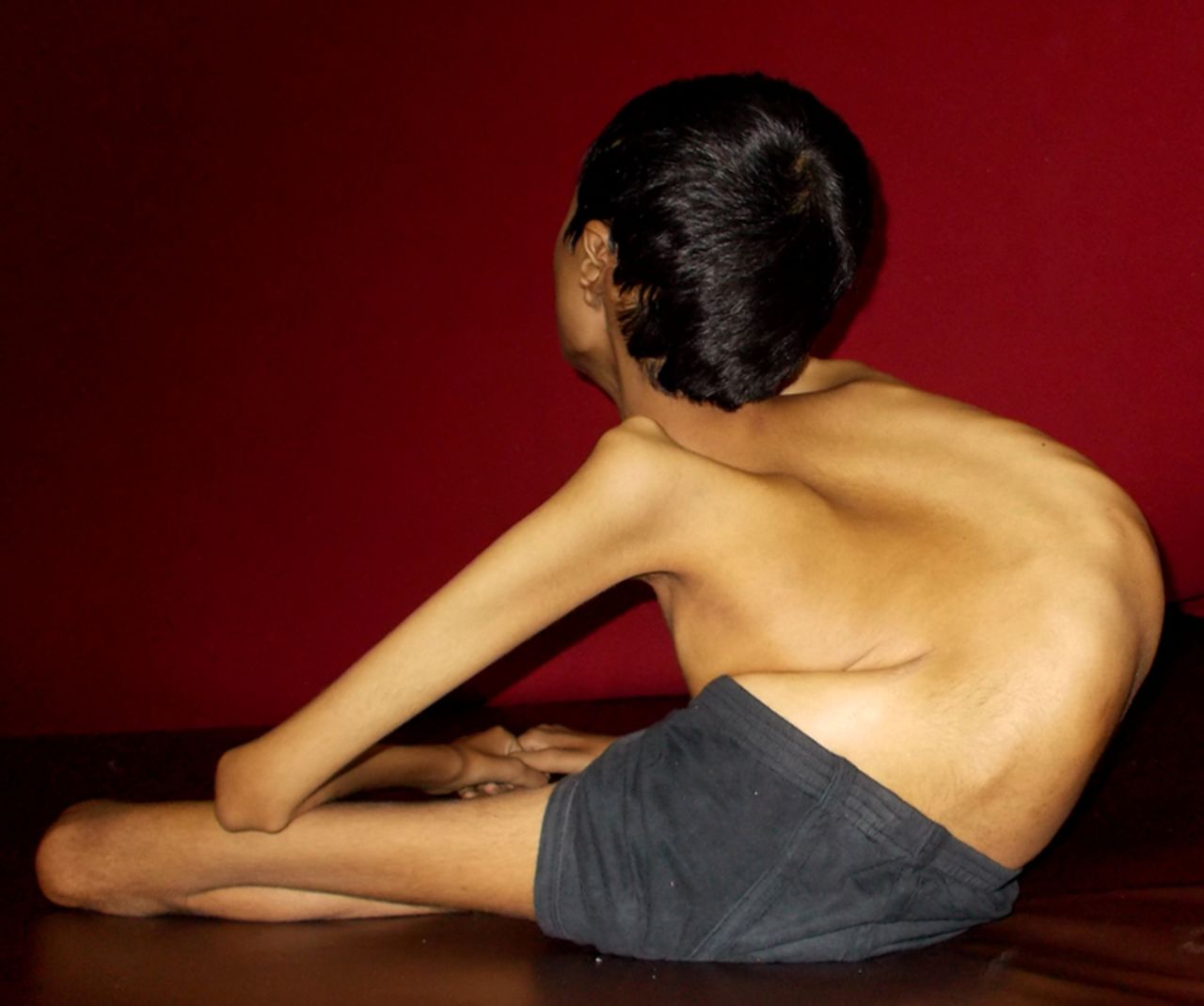
- A progressive condition: Muscle weakness doesn’t happen overnight; it develops gradually and continues over time.
- A problem with muscle proteins: The body cannot make enough of the proteins needed to keep muscles healthy, so the muscle fibres slowly break down.
- A condition that affects daily movement: Walking, climbing stairs, lifting the arms, standing up, or even breathing may become more difficult as the muscles weaken.
- A lifelong medical condition: There is no cure yet, but treatments can improve comfort, mobility, and quality of life.
- A condition that can affect anyone: MD is not limited by tribe, region, gender, or lifestyle. It appears in all populations globally.
Types of MD
- Duchenne Muscular Dystrophy (DMD): Most common in children, mainly boys; causes rapid muscle weakness starting in the legs and pelvis.
- Becker Muscular Dystrophy (BMD: Similar to Duchenne but slower progression; symptoms appear later in childhood or adolescence.
- Myotonic Dystrophy: Causes prolonged muscle contractions (difficulty relaxing muscles) and can affect the heart and eyes.
- Limb-Girdle Muscular Dystrophy (LGMD): Affects muscles around the shoulders and hips.
- Facioscapulohumeral Muscular Dystrophy (FSHD): Weakens muscles of the face, shoulders, and upper arms; usually starts in teenage years.
- Congenital Muscular Dystrophy (CMD): Present at birth. It can cause delayed motor development and joint stiffness.
How can families and guardians identify MD?
The first step is simply being observant of the people in our closest space. How do they
move? What is their natural level of activity? Are they usually energetic, playful, or physically
confident? When a child or adult who was once active begins to slow down without a clear
reason, it can be an early signal that something is happening beneath the surface.
Muscular Dystrophy often reveals itself through gradual changes that families may notice
long before a formal diagnosis. These signs may include:
- Frequent falls
- Trouble climbing stairs or keeping up with friends
- Tiring more quickly than other children or adults their age
- Struggling with tasks like lifting objects or running
For adults, early signs may be less obvious but still important, such as unusual muscle
fatigue, difficulty raising the arms, or gradual weakness in the hips and shoulders. Because MD progresses slowly, these symptoms may be mistaken for delayed growth, lack of fitness, or simply personality traits. As symptoms persist, it’s important to seek medical
attention as early detection facilitates better management.
Living with Muscular Dystrophy often means adapting to gradual changes in strength, stamina, and independence. Some people can walk and move freely for many years, while
others may need assistance earlier. These changes can affect daily activities like climbing
stairs, lifting objects or getting out of bed. Fatigue is also a common part of daily life. A short walk or basic activity may require more effort than usual, so pacing, rest, and support become important. Some individuals eventually rely on mobility aids such as braces, walkers, or wheelchairs, not as a sign of failure, but as tools that allow them to stay active and safe.
Diagnosis: How Doctors Identify MD
A common first step is a blood test to check for high levels of muscle enzymes. When
muscles weaken or break down, these enzymes leak into the bloodstream and become
easier to detect. If the levels are unusually high, the doctor may investigate further.
From there, doctors may use genetic testing to check for specific gene changes linked to
MD. This is one of the most accurate ways to confirm the condition.
Treatment and Management
Physical and occupational therapy help keep muscles strong, joints flexible, and daily
activities easier. Medications like steroids can slow muscle weakening, while other drugs
may protect the heart and lungs. Assistive devices such as braces, walkers, or wheelchairs
improve mobility and safety. In some cases, surgery may correct joint or spine problems.
Regular checkups are important to monitor the muscles, heart, and lungs, allowing early
treatment of complications.
Living with Muscular Dystrophy comes with challenges, no doubt. With awareness,
medicine, and the support of family and friends, life can still be full of laughter and moments
of joy. Support makes a difference. Counselling, peer support groups, or simply talking with other families who understand can provide relief, comfort, and hope. Feeling seen, understood,
and supported can help both patients and caregivers navigate the emotional challenges of
MD.